
What “Set-and-Forget” Lawn Care Really Requires in 2026
In 2026, set-and-forget robotic lawn care depends on accurate mapping, edge coverage, obstacle handling, and seasonal adaptation.
1) “Set-and-forget” starts with a map you can trust

The promise of robotic-lawn-care is simple: your lawn stays consistently cut while you get your weekends back. The reality in 2026 is that the “forget” part only works when the mower’s understanding of your yard is stable—across lighting changes, new landscaping, and everyday chaos. Boundary-wire-free systems raise the bar because they must interpret the yard, not just bump into a perimeter. That makes mapping fidelity the first hidden requirement.
Look for guided mapping that helps you define zones, slopes, and no-go areas (garden beds, play sets, patio edges) without turning setup into a weekend project. The best home-automation experiences also keep the map “alive”: camera/vision cues, optional RTK/GPS corrections, and app flows for quick edits when you move a planter or add mulch. If your map can’t handle small changes, you’ll be dragged back into constant babysitting—exactly what automation is supposed to eliminate.
2) Coverage quality isn’t just “did it cut?”—it’s edges, routes, and repeatability
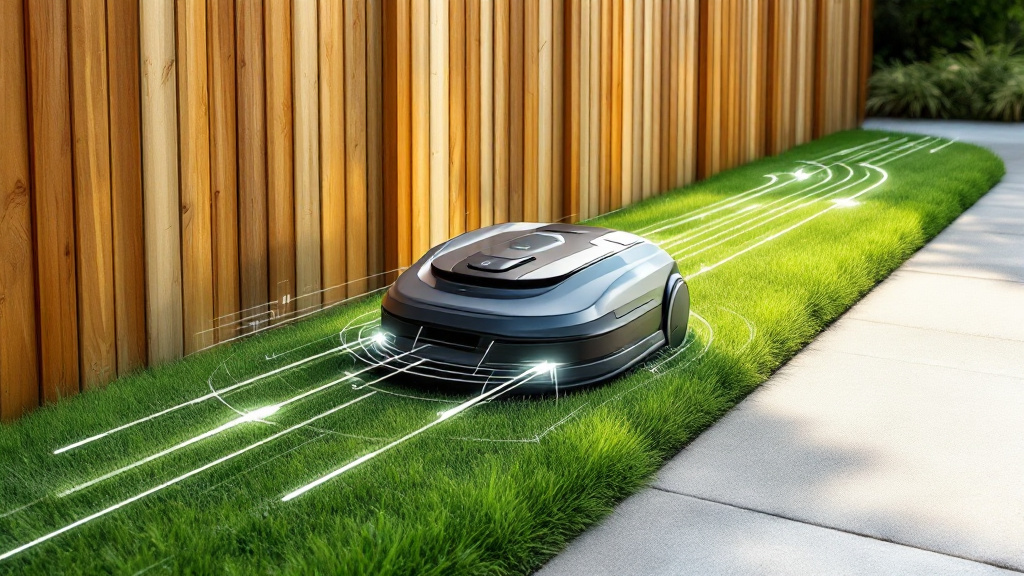
Most homeowners judge results by what they see first: edges along fences, clean lines near driveways, and no “missed strips.” In practice, edge work is where many systems fail because it requires precise positioning and confidence near boundaries. For yard-maintenance that feels truly automated, the mower must plan coverage like a professional: efficient lanes for open areas plus intentional edge passes that don’t scalp turf or drift into flower beds.
That’s where adaptive planning matters. A modern system should adjust routes based on slopes, narrow passages, and how the yard is used (dog run today, party tomorrow). Weather-aware scheduling helps, but repeatability is the real test: can it return tomorrow and deliver the same finish with less randomness? For property-management (even just two or three rentals), route optimization and predictable completion times are what make automation scalable—otherwise you’re just trading push mowing for app micromanagement.
3) Reliability in the real world: obstacles, seasons, safety, and security
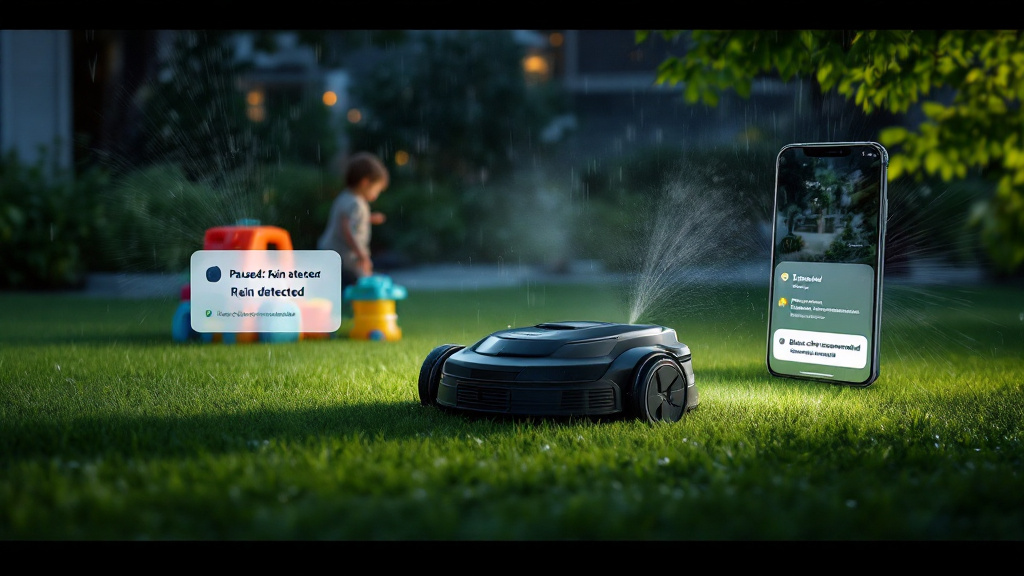
Unattended mowing succeeds or fails on exceptions: the toy that wasn’t there yesterday, the sprinkler head, the low branch, or the sudden downpour. In 2026, reliability means the mower can detect variability with onboard vision and sensors, respond safely, and keep you informed without spamming alerts. The goal is smart autonomy—pause for rain, reroute around obstacles, and send a targeted “blade check” notification when motor load suggests wet clippings or a dull blade.
Seasonal turf changes also break naive automation. Spring growth surges, summer heat stresses grass, and fall debris increases drag—so the mowing plan must adapt frequency, speed, and cutting strategy. Equally important: trust. Strong anti-theft measures (geofencing, device lock), lift/stuck detection, and secure OTA updates turn a mower into a dependable iot appliance rather than an expensive gadget. Many owners will prefer a subscription that bundles weather signals, optional RTK services, and ongoing improvements—because set-and-forget isn’t a single feature, it’s an operating system for the yard.